BACK
I'm batman

Raft AI (Series B)
How a UX Redesign Concept Transformed Product Strategy
Problem statement
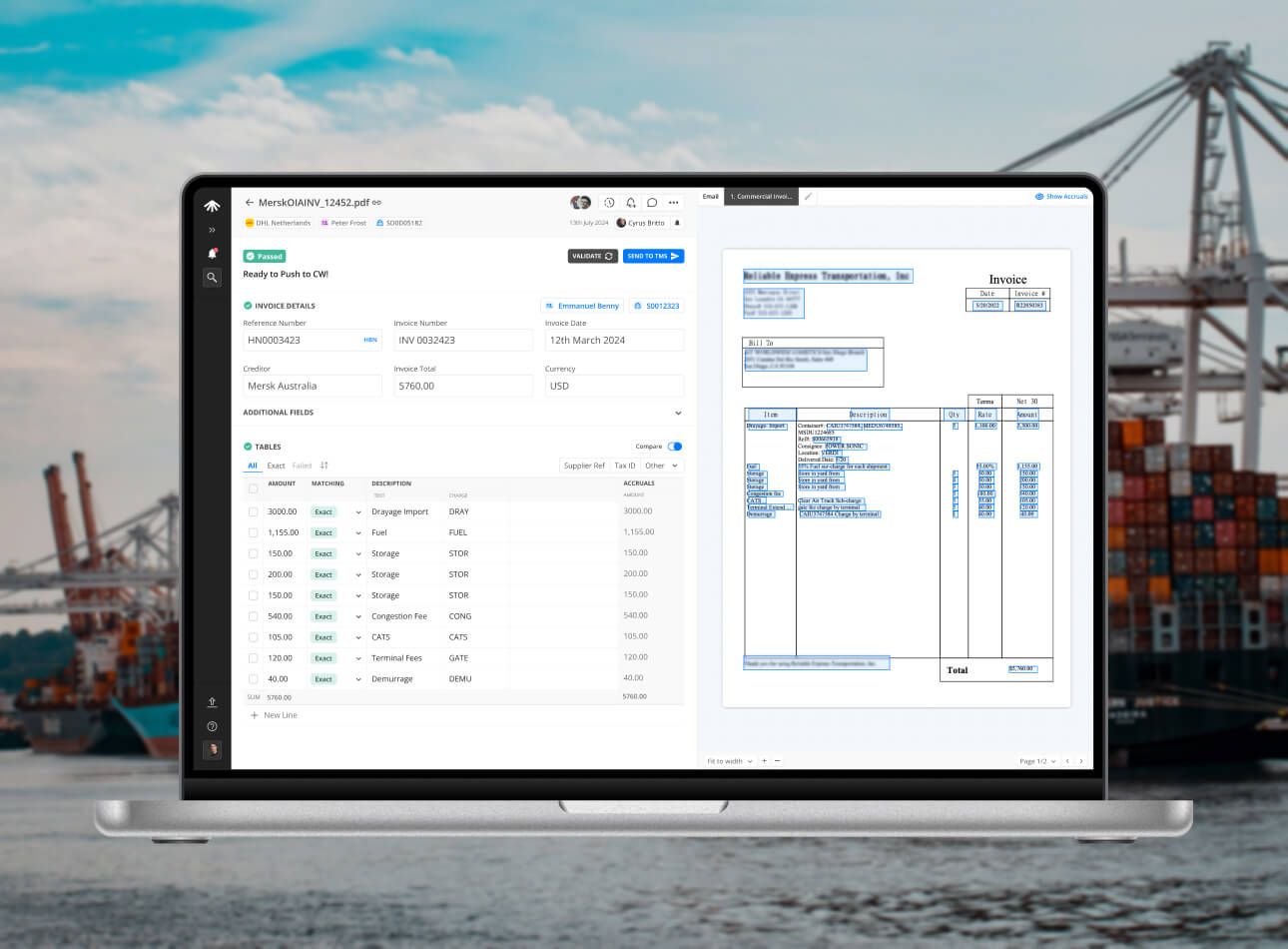
Raft's accounts payable product was generating 90% of company revenue, but that success came with serious UX baggage.
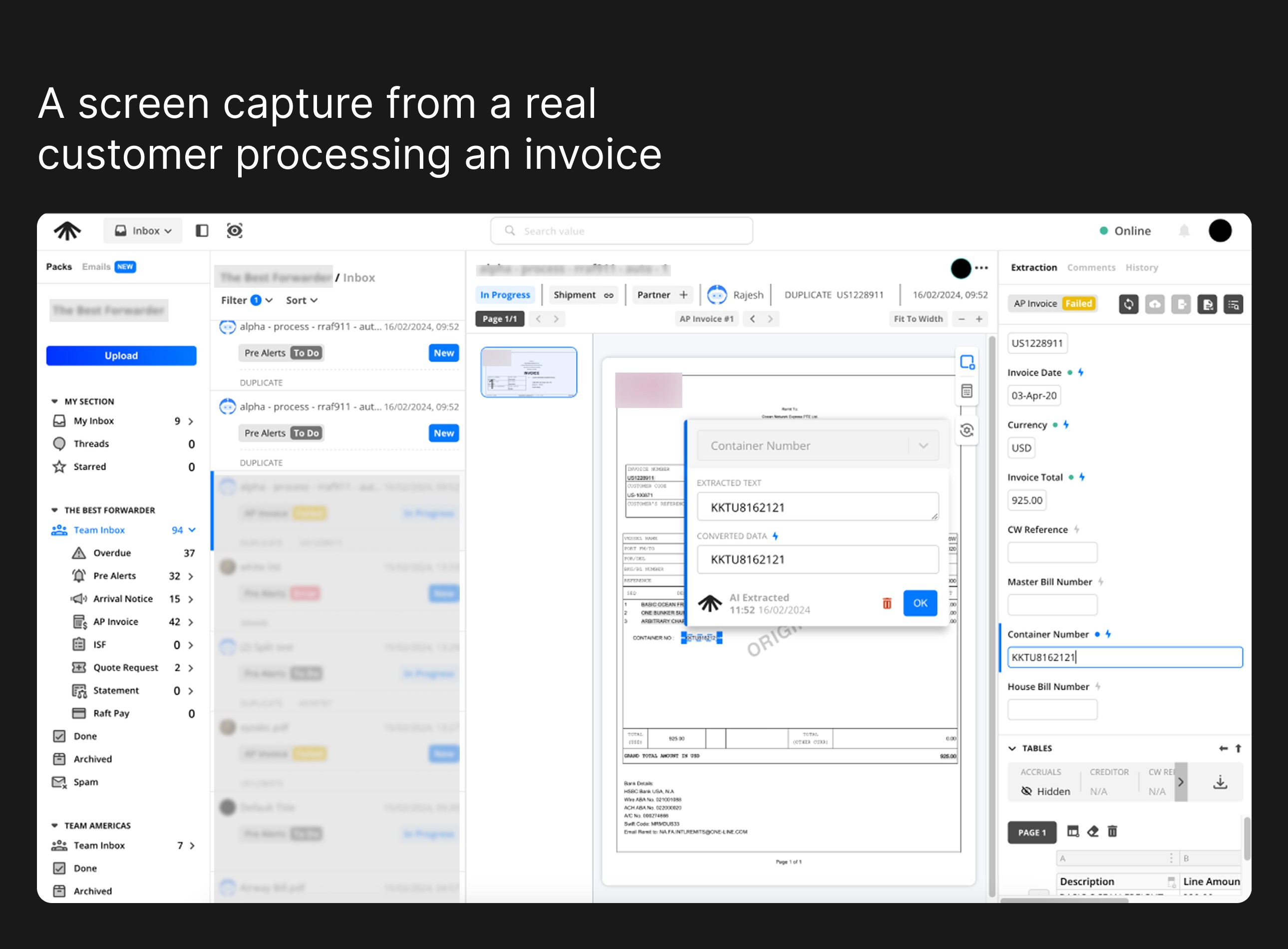
Customer feedback was brutal:
"The tool is confusing to use"
"It's hard to train employees, so they keep doing things the old way"
"It's unclear what went wrong when an invoice fails"
Our mature product meant real customers and real money, but also:
An engineering-led interface riddled with usability issues
Legacy code that was painful to modify
A learning curve that took months for customer onboarding
Users in their 30s-40s who weren't eager to learn new tools
The mission: Create a comprehensive UX redesign concept that would prove design investment wasn't just nice-to-have-it was essential.
Constraints
Change Aversion - Many users were deeply familiar with existing workflows, making adoption of new patterns an uphill battle.
High Stakes for Errors - Mistakes weren’t just UX bugs; they meant drops in productivity, ML model regression, and direct financial loss for customers.
Screen Real Estate Assumptions - The product was built with large laptop screens in mind, limiting usability for smaller displays or on-the-go contexts.
Heavy Tech Debt - Even minor UI adjustments often required navigating legacy code and complex dependencies, slowing down iteration cycles.
My Role
As design lead for the finance team, I was the sole designer tasked with reimagining the exceptions management experience for our core accounts payable product-as a concept to drive internal change.
My Approach
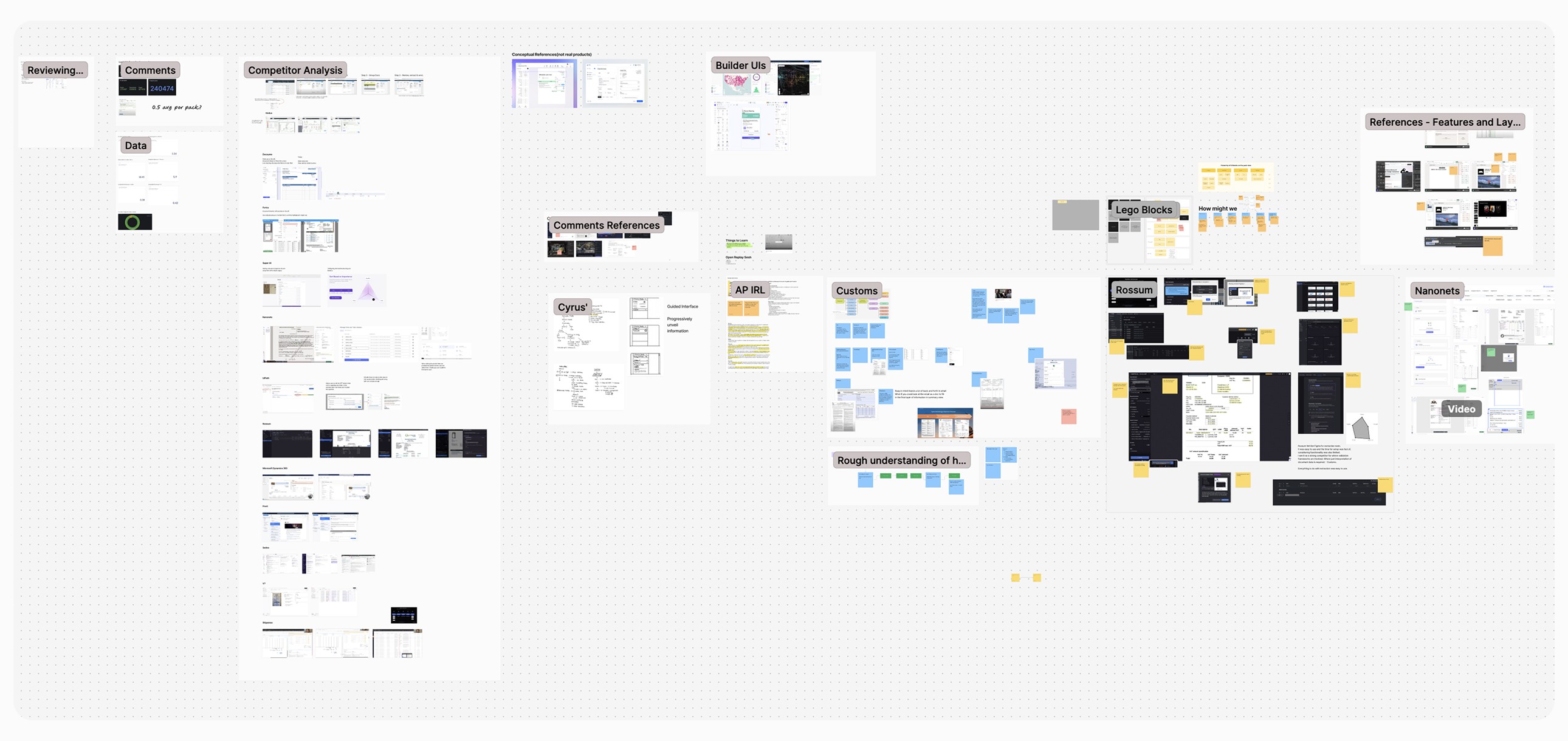
Research Without Assumptions
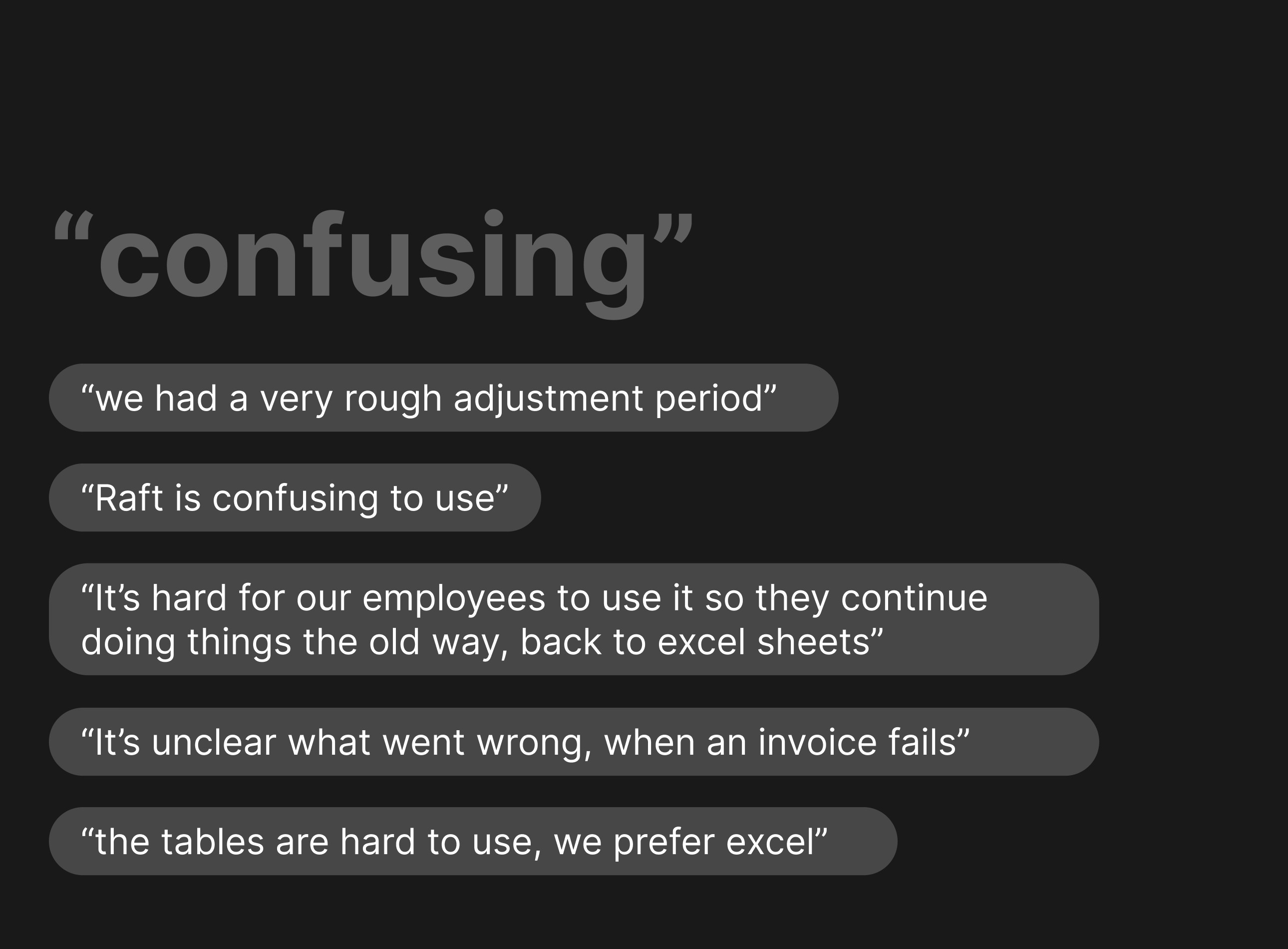
I started with customer success teams, user interviews, and session recordings. The patterns were clear-users weren't dumb, our interface was. Most used features? Comments and tables. Biggest pain points? Status confusion and overwhelming information hierarchy.
Data-Driven Insights:
Most used features: comments and tables
Common exception types (real exceptions vs. ML limitations)
Typical user screen sizes
Competitive analysis of Rossum and Nanonets
Users preferred our focus mode layout to solve complex problems on a smaller screen
Strategic Foundation
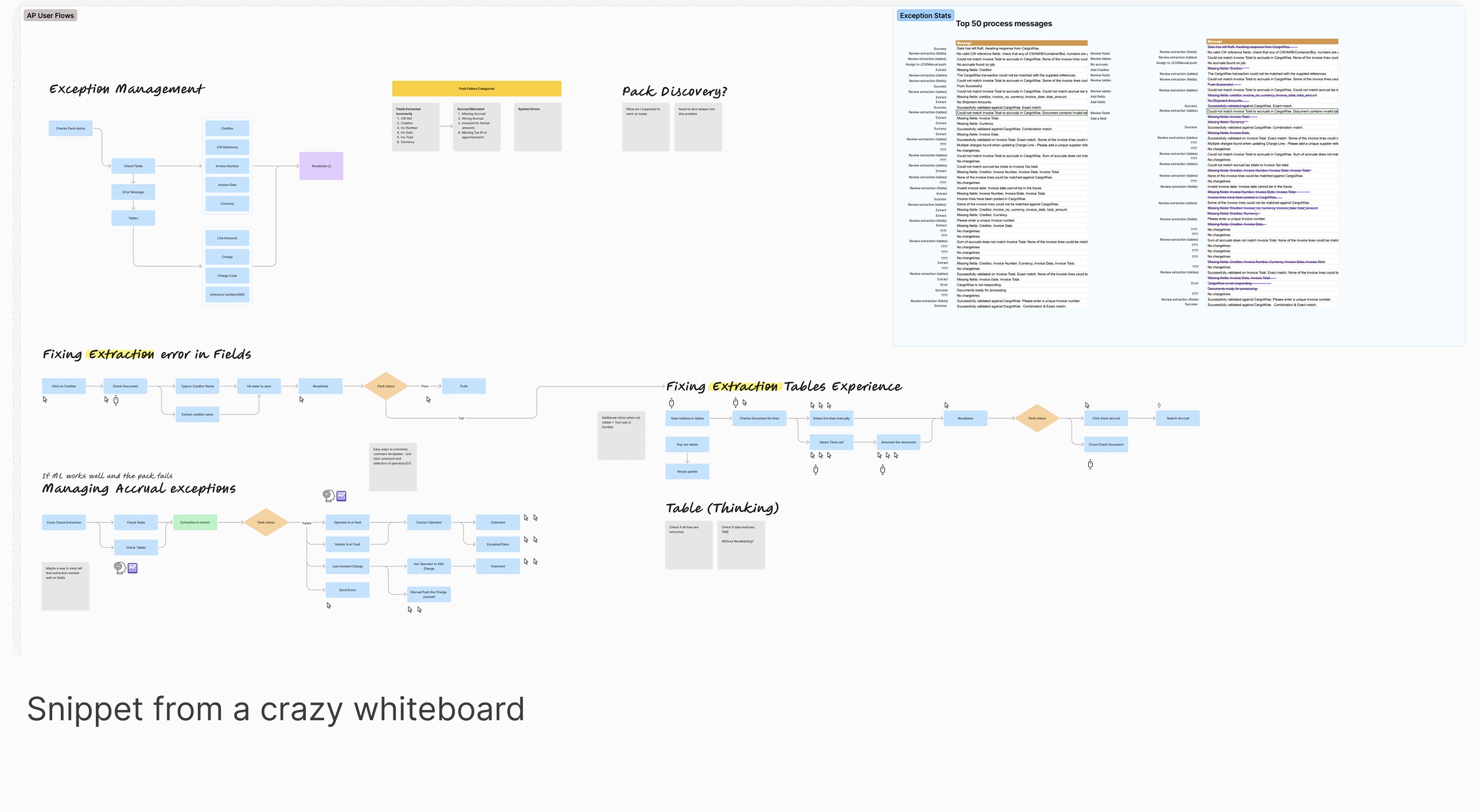
Before diving into design, I created a strategic roadmap by:
Mapping user flows within accounts payable, accounting for cognitive load and click complexity
Restructuring information architecture to align with user mental models
Prioritizing features based on usage frequency and user needs
Design Approach: Skipping Low-Fi for Real User Validation
Given that our primary validators were actual customers unfamiliar with design phases, I moved directly to high-fidelity prototypes. This approach provided more meaningful feedback from users who needed to see realistic interfaces to understand the impact.
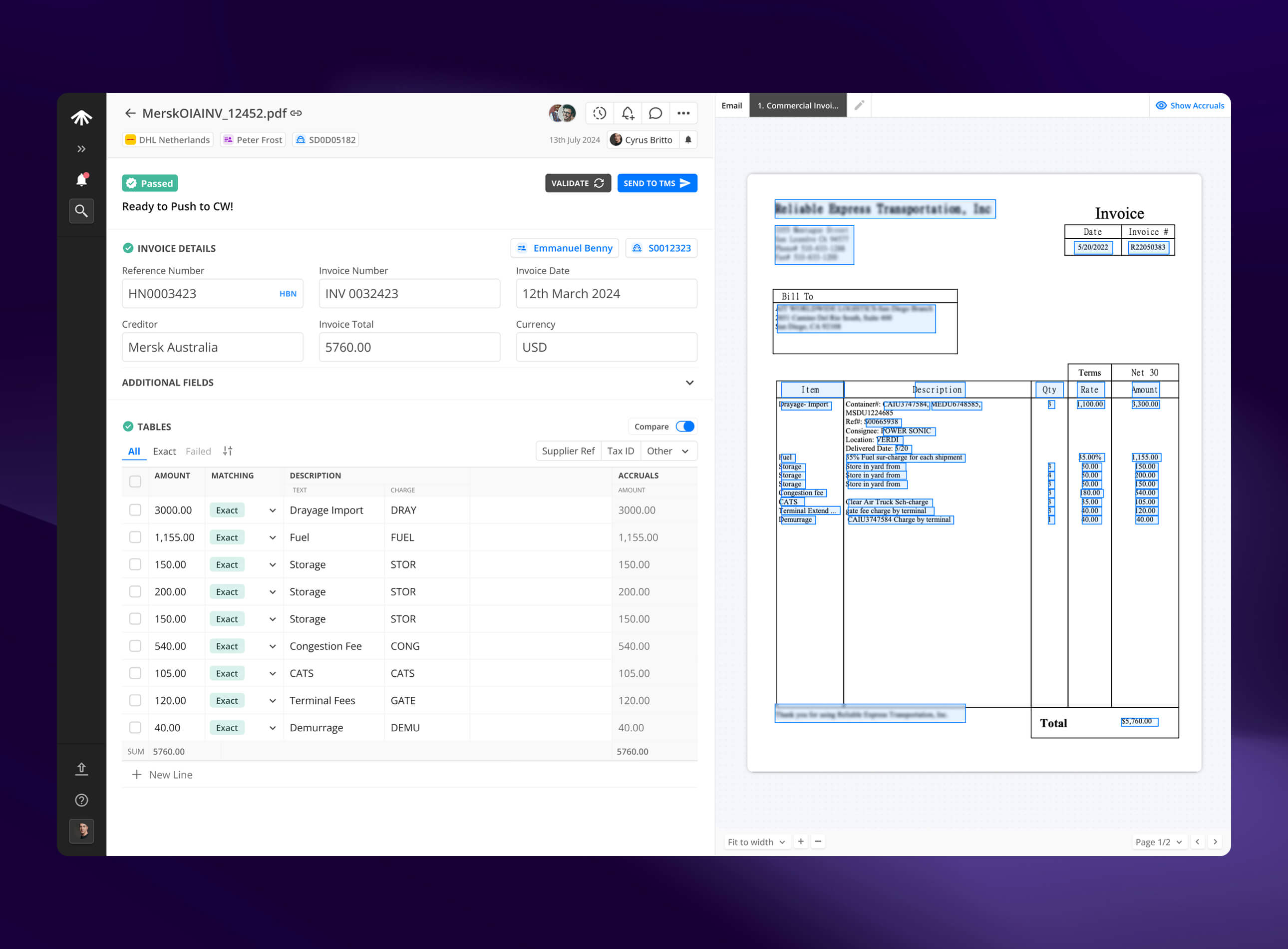
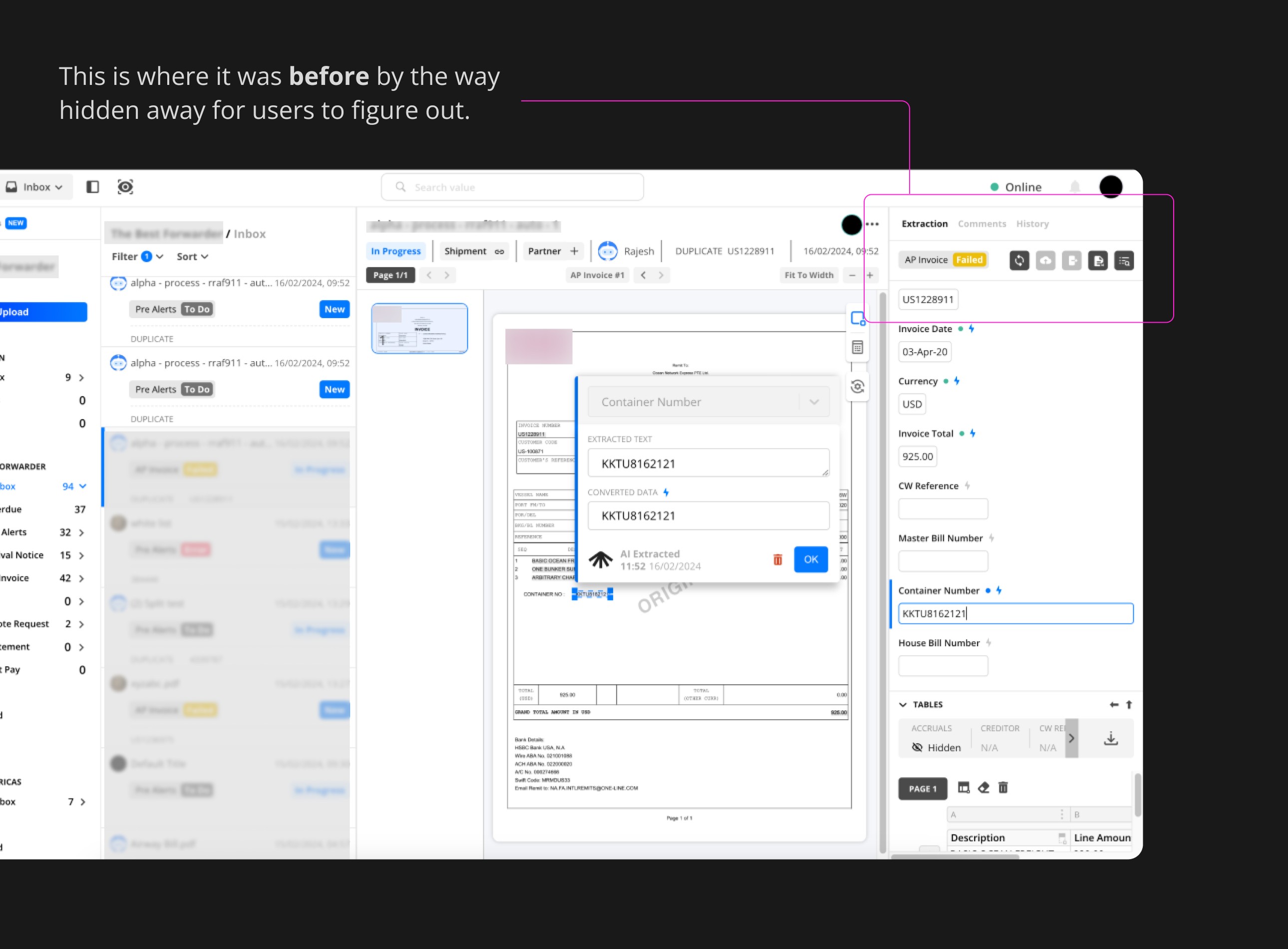
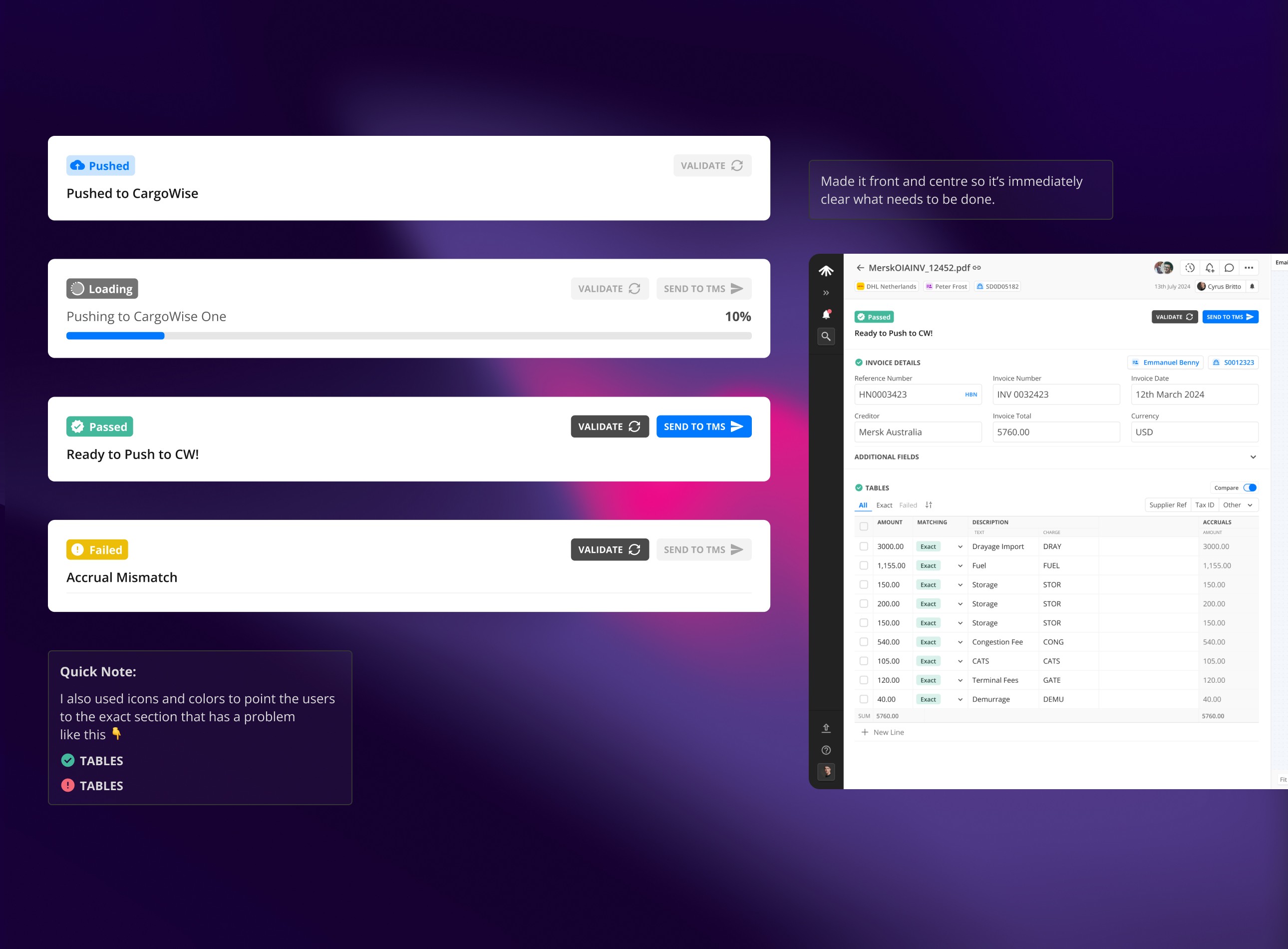
Status Clarity
Before: Critical invoice status was buried in the interface
After: Status messages moved front and center with clear, frequency-based CTAs
AI-Powered Assistance
Added natural language suggestions as actionable buttons, leveraging the system's context to present the most common resolution patterns for similar exceptions.
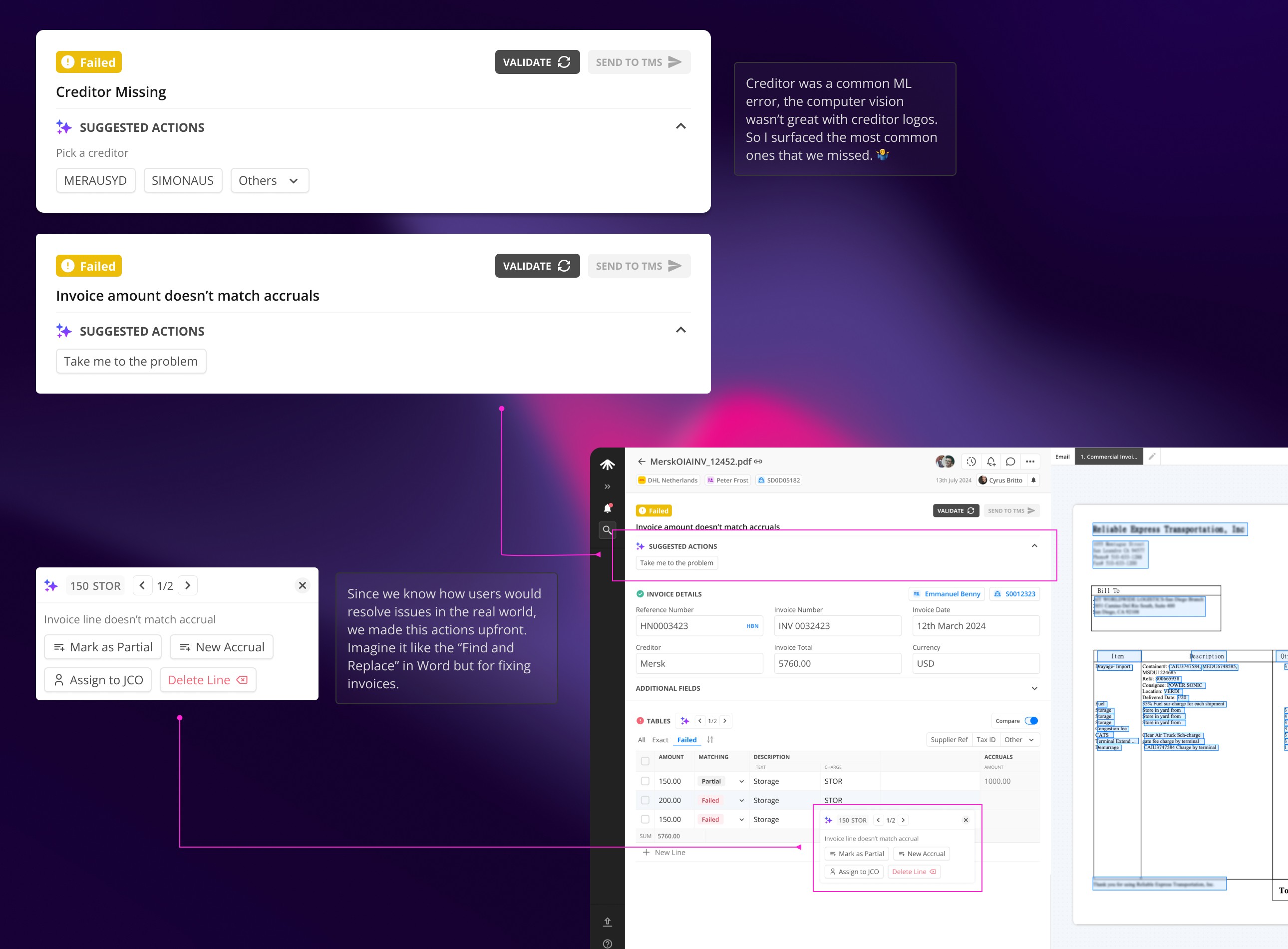
Simplified Invoice Details
Missing field highlighting: Clear visual indicators for required information
Focused information display: Hid non-essential fields under "additional details"
Smart hyperlinking: Connected key data to external systems (TMS) for seamless workflow
Consolidated reference numbers: Single field recognizing different reference types with clear acronym labels

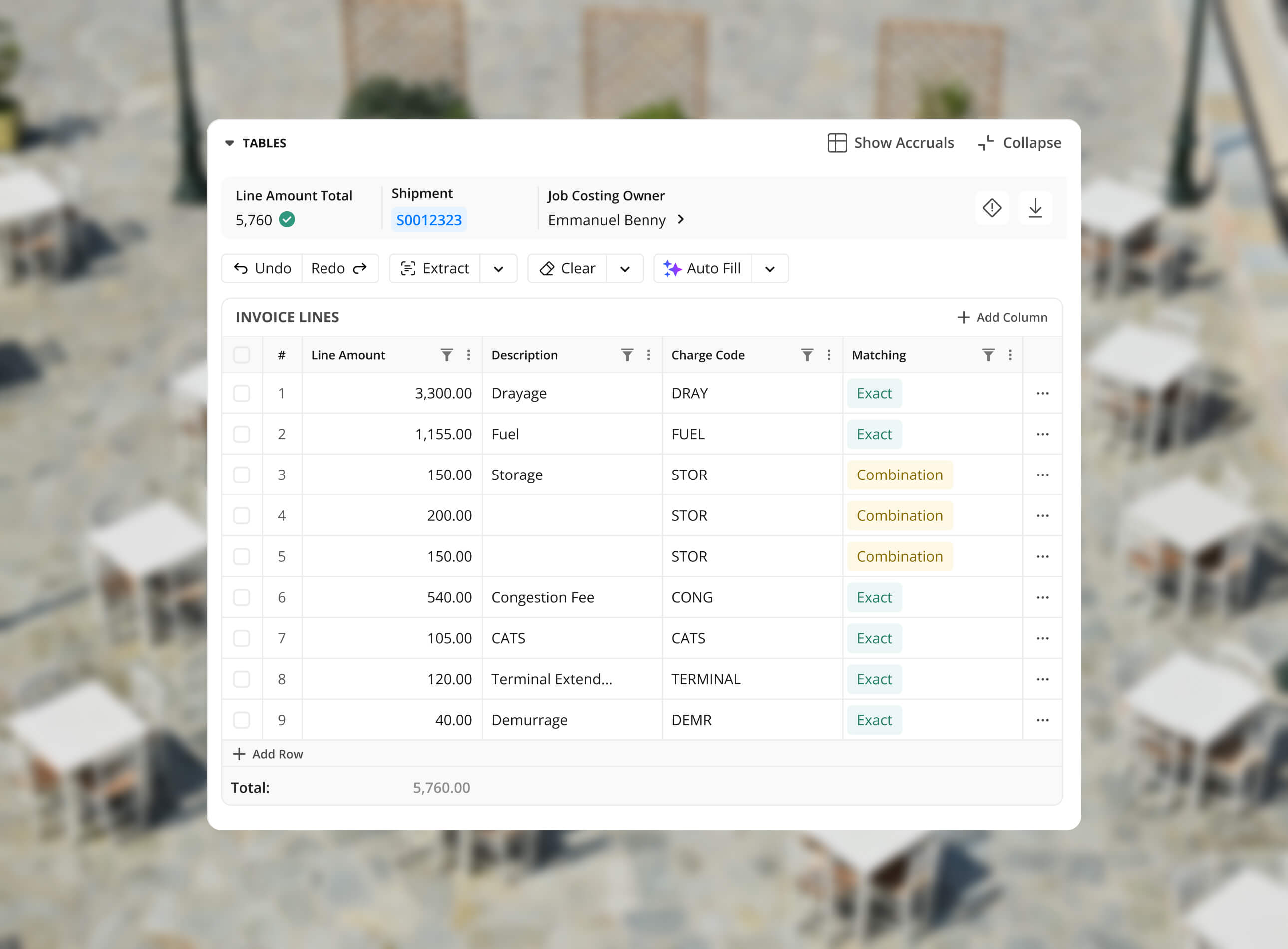
Intelligent Tables
Redesigned our most complex feature-tables handling 80% of automation logic including tolerance matching, multi-line combinations, and multi-currency processing. Tables are a broad topic, meet me and I'll take you through this in depth.

Impact
The redesign concept achieved its primary goal: convincing leadership to invest in incremental UX improvements rather than maintaining the status quo. While not implemented as a complete overhaul, it secured buy-in for piece-by-piece interface improvements — a significant win for design influence in an engineering-led startup.
Key Success: Transformed the conversation from “why change?” to “how do we implement this?” by demonstrating user value through a comprehensive, customer-validated design concept.
Reduced onboarding friction → Prototype testing showed users could understand key workflows in minutes instead of months.
Clarity in exception handling → Users immediately recognized invoice statuses, reducing confusion and misclassification.
De-risked redesign investments → Testing validated that customers saw clear value, giving leadership confidence to prioritize UX in a revenue-critical product.
Shifted strategy from engineering-led to design-driven → Sparked leadership buy-in for making UX a core part of product strategy.
Catalyst for design maturity → Proved the business value of design, helping the company move beyond “just shipping features.”
Other case studies

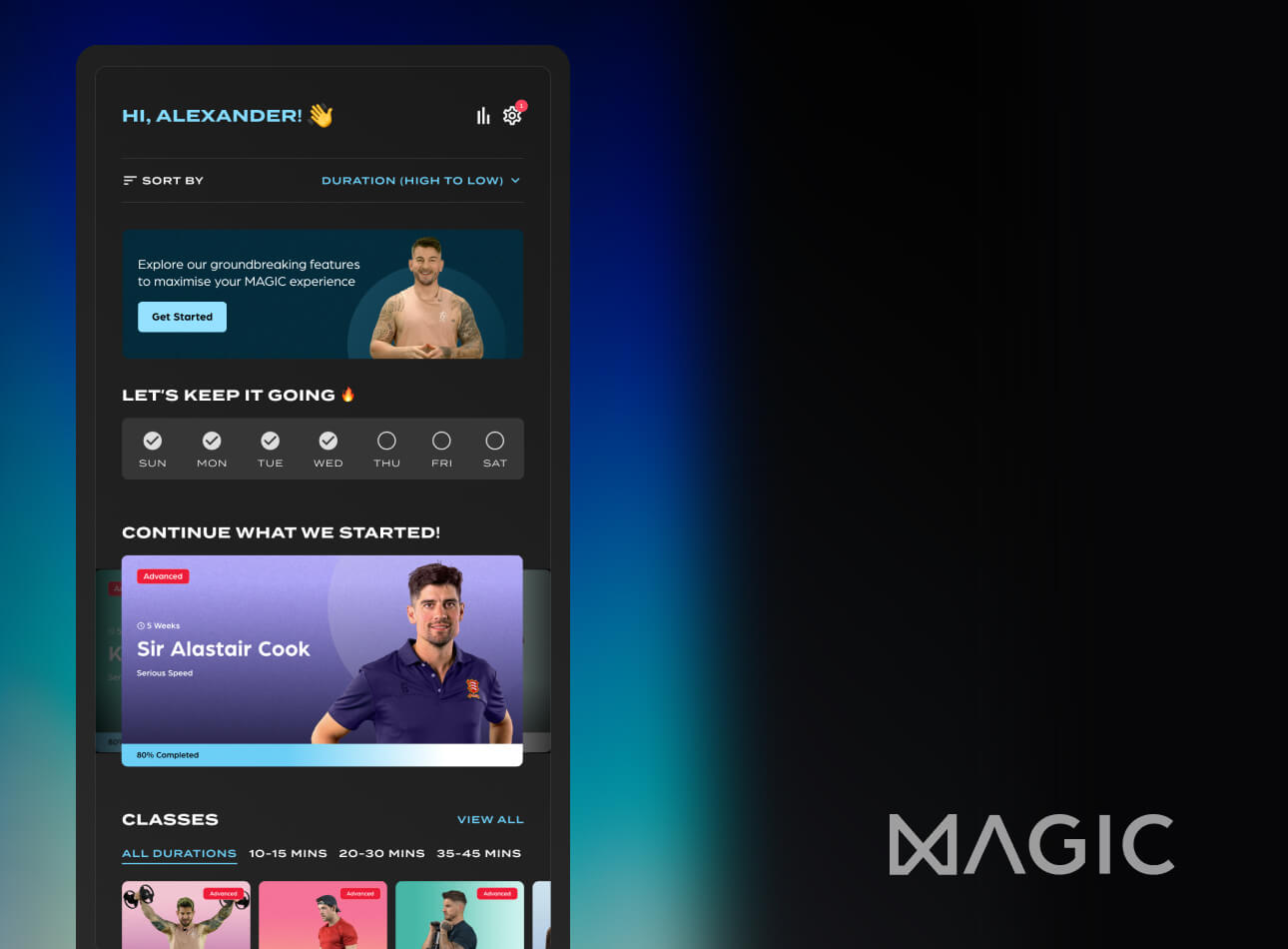
MAGIC AI (Seed Funded)
Building Touch-First Navigation for a Premium Fitness Device
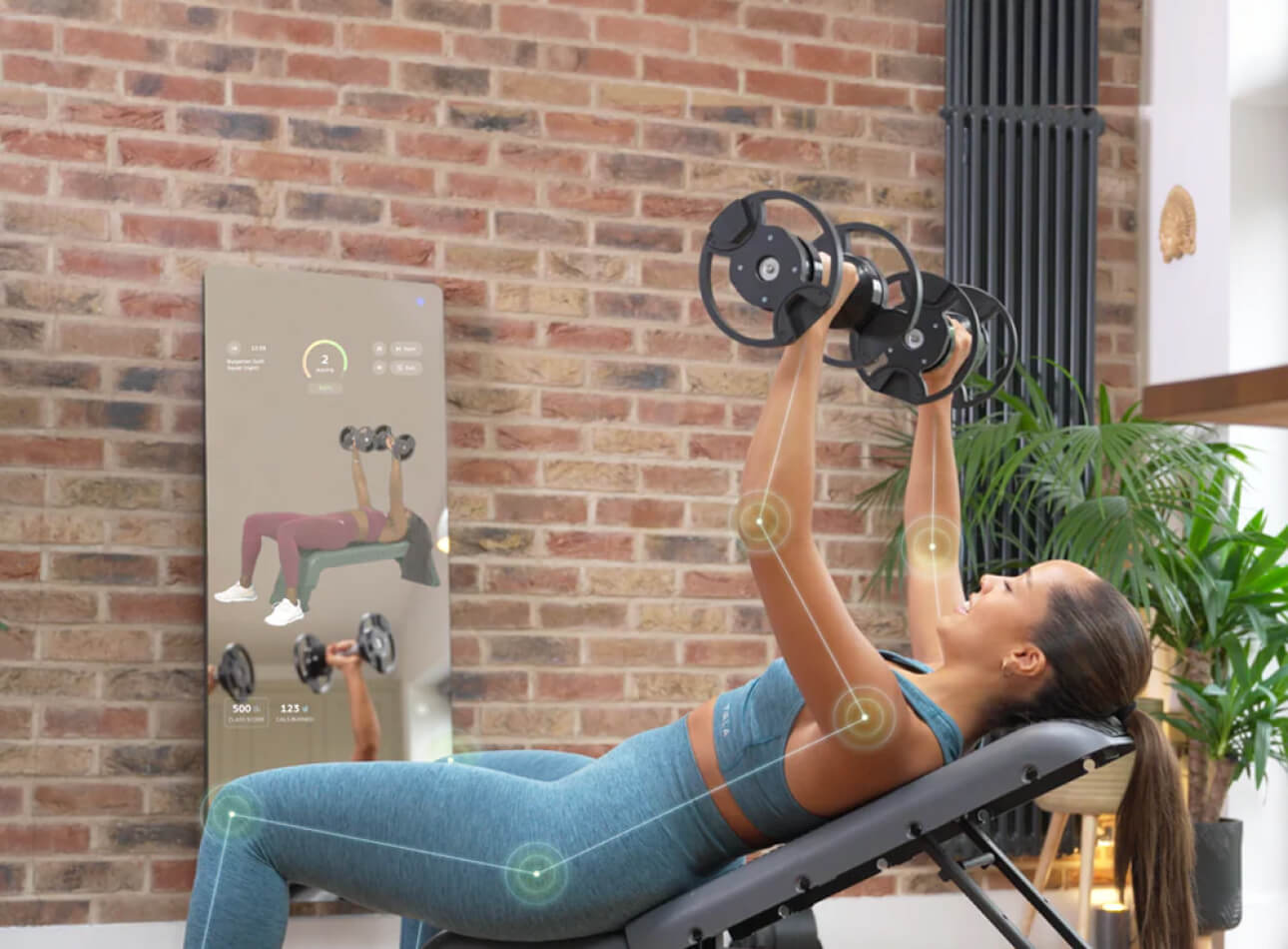
MAGIC AI (Seed Funded)
Designing the AI Personal Trainer Experience
Raft AI (Series B)
How a UX Redesign Concept Transformed Product Strategy
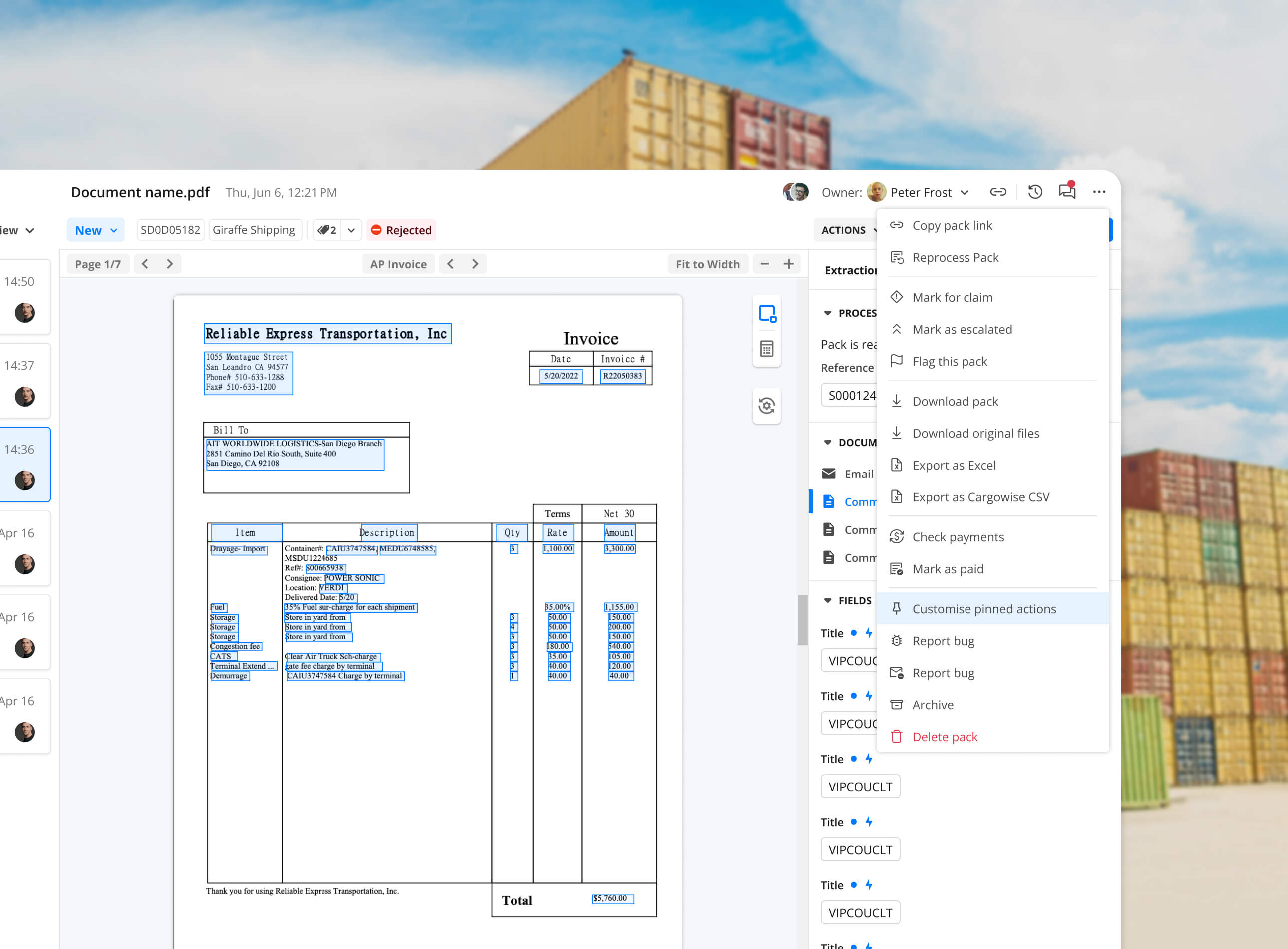
Raft AI (Series B)
UI Components Simplified: Taming the Pack Header Chaos
Raft AI (Series B)
Redesigning the Extraction Table at Raft: Tackling Exception Workflows
Raft AI (Series B)
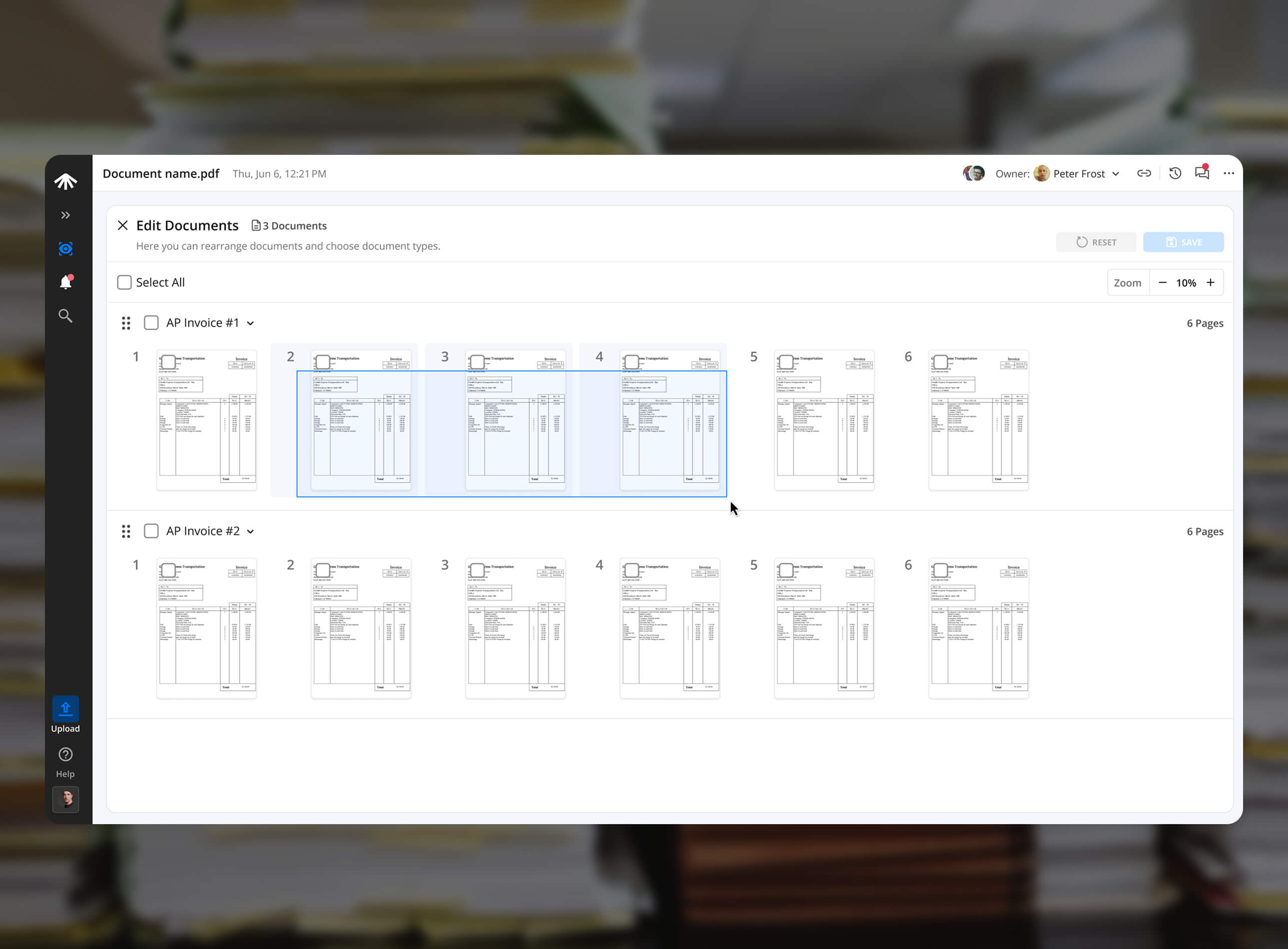
Redesigning Raft's Document Manager

Sats
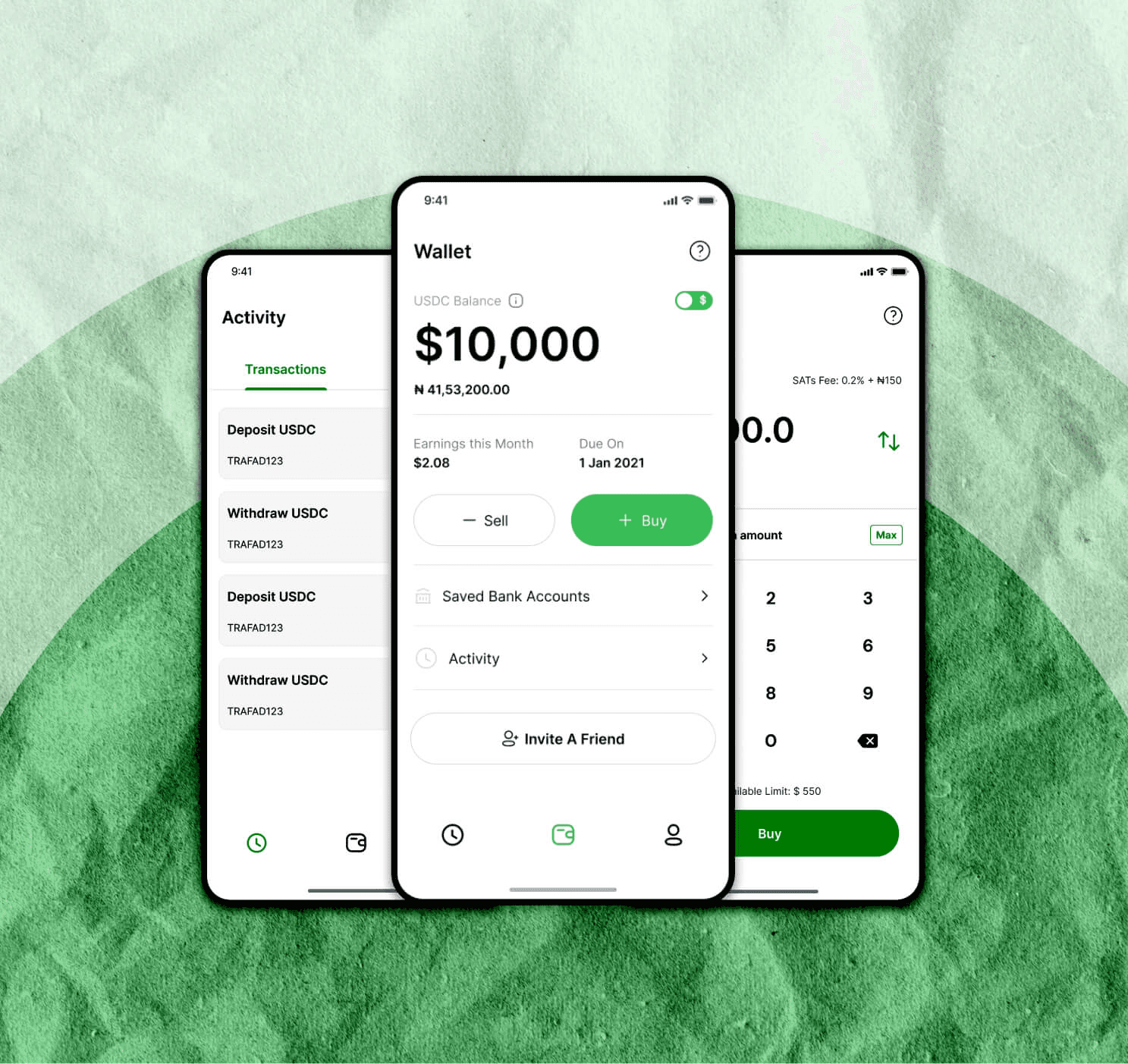
Sats - Nigeria's P2P Crypto App
Read
0%