BACK
I'm batman

MAGIC AI (Seed Funded)
Designing the AI Personal Trainer Experience
Problem statement
A lot of the value proposition of Magic Mirror was delivering a workout experience that truly mimics having a personal trainer in the room.
This meant the interface had to nail four critical things:
Tell you what to do when - Clear exercise guidance and timing
Show you proper form - Visual demonstration that's easy to follow
Correct you in real-time - Form feedback that prevents injury
Keep you motivated - Encouragement that pushes you to improve
If users missed any of these elements, our entire USP crumbled. The hardware could track form perfectly, but if the interface failed to communicate that feedback clearly, we'd lost our biggest differentiator.
Constraints
The Hardware Reality
The Mirror's best feature - being an actual mirror - created my biggest design challenges.
The Mirroring Effect
When users exercised at certain angles, they'd see reflections of the screen content overlaid on the display. This meant I had to stick to high-contrast colour combinations like blue and white for all text. Subtle greys or low-contrast elements simply disappeared when the mirror effect kicked in. No room for elegant colour gradients or sophisticated elevation systems—everything had to be bold and clear.
Human-Scale Touch Targets
The Mirror stands at human height and that meant the most important content had to live at the top - not the bottom like mobile interfaces. Any touch targets placed lower meant users had to bend down mid-workout, which breaks the exercise flow.
This constraint shaped every design decision I made.
My Role
I led the interface redesign as the primary designer, working directly with one engineer and the co-founder. Translating complex form tracking into simple, actionable feedback for users.
My Approach
Setting Expectations Before You Sweat
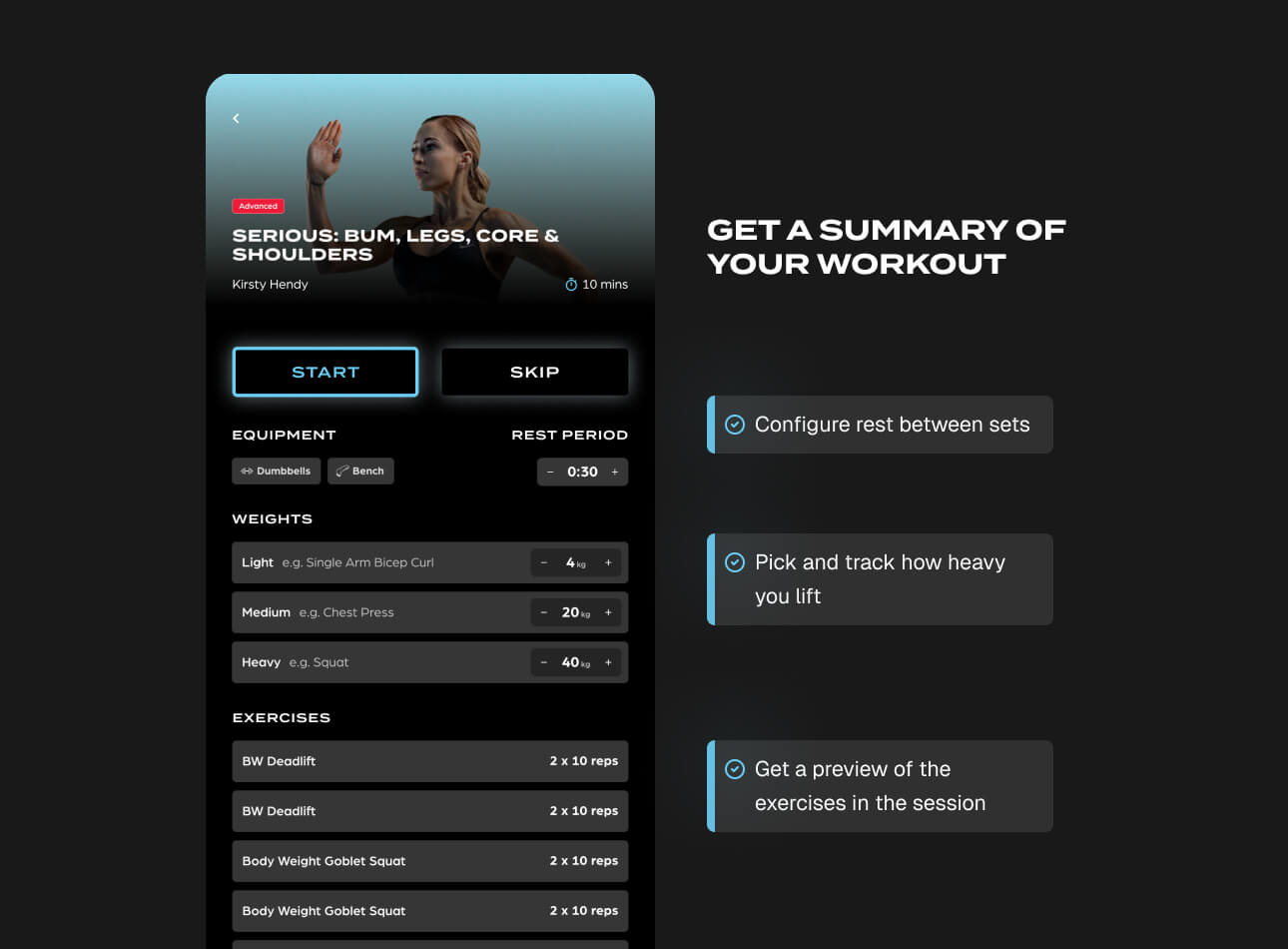
The pre-workout screen became crucial for building confidence. Users need to know what they're signing up for and get in the right mindset.
What we showed:
Clear breakdown of exercises and timing
Weight recommendations with easy adjustment options
Transparency about difficulty - users could see exactly what lay ahead
This wasn't just about information-it was about psychological preparation. Users who felt ready performed better.
The Camera Scan
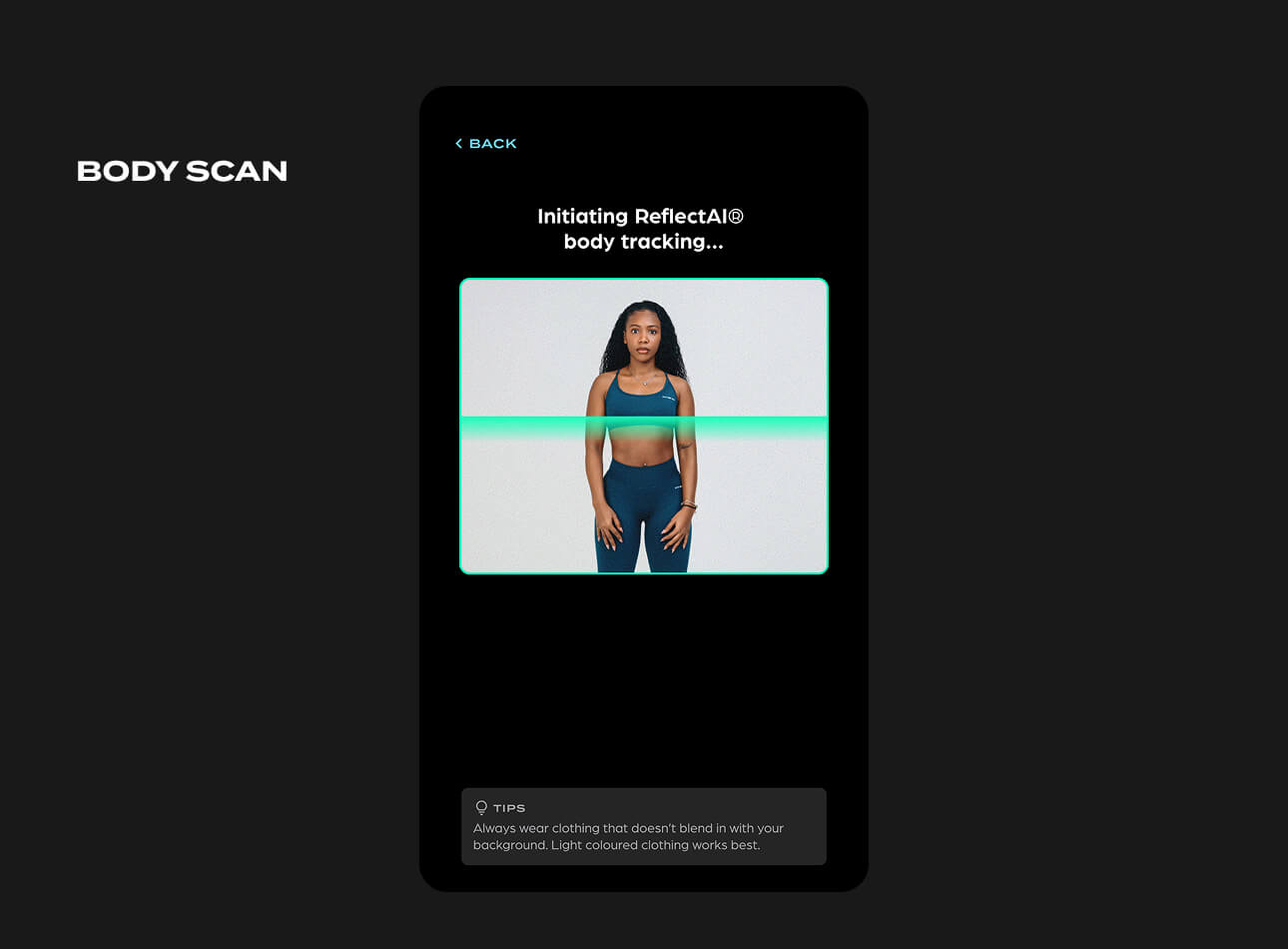
Before each workout, the camera scans to ensure users are positioned correctly for form tracking. This simple step solved a major anxiety point-users knew the AI could "see" them properly.
The interface made this feel reassuring, not invasive. Clear visual feedback showed when positioning was optimal.
Real-Time Form Feedback During Exercise
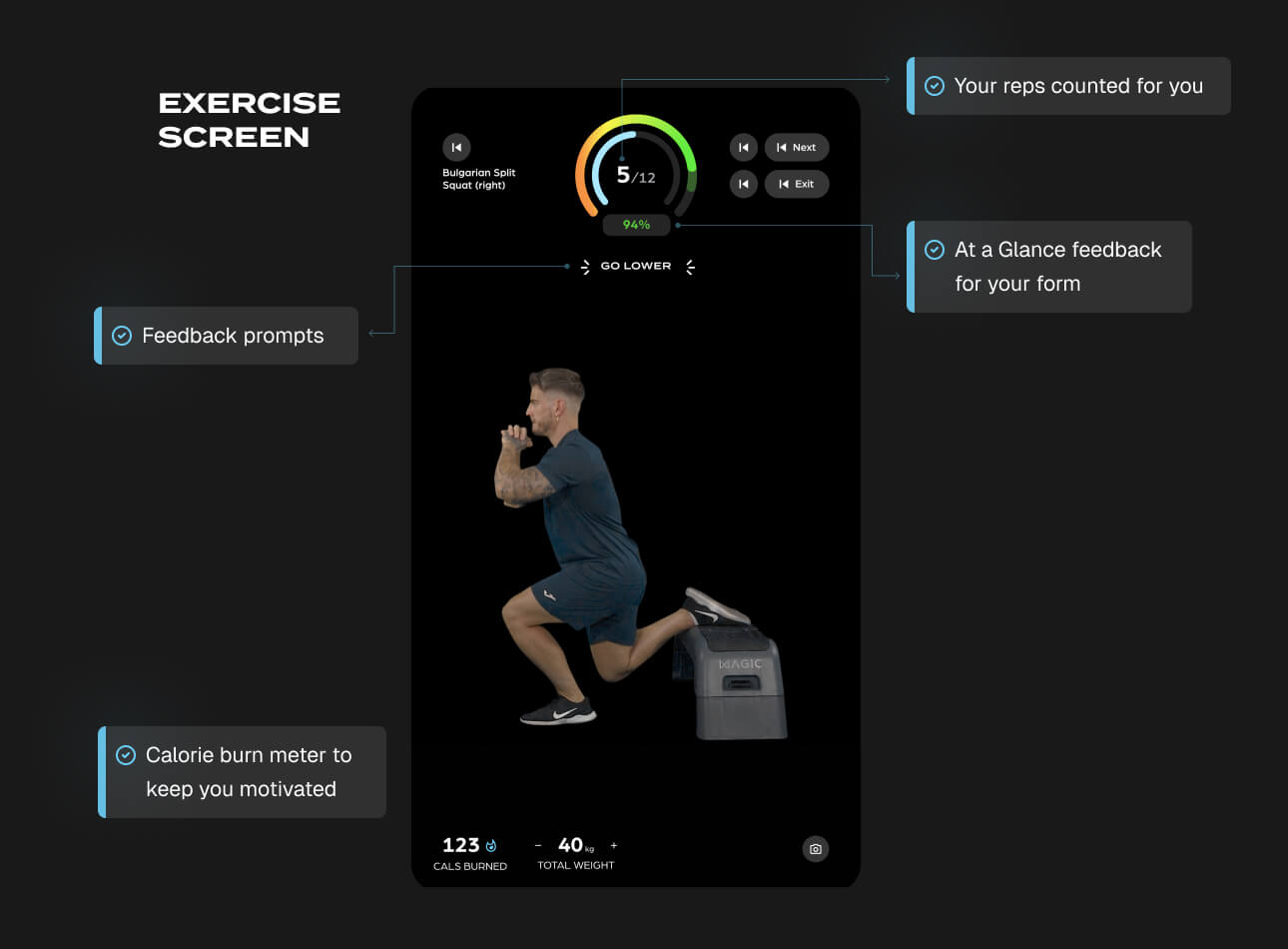
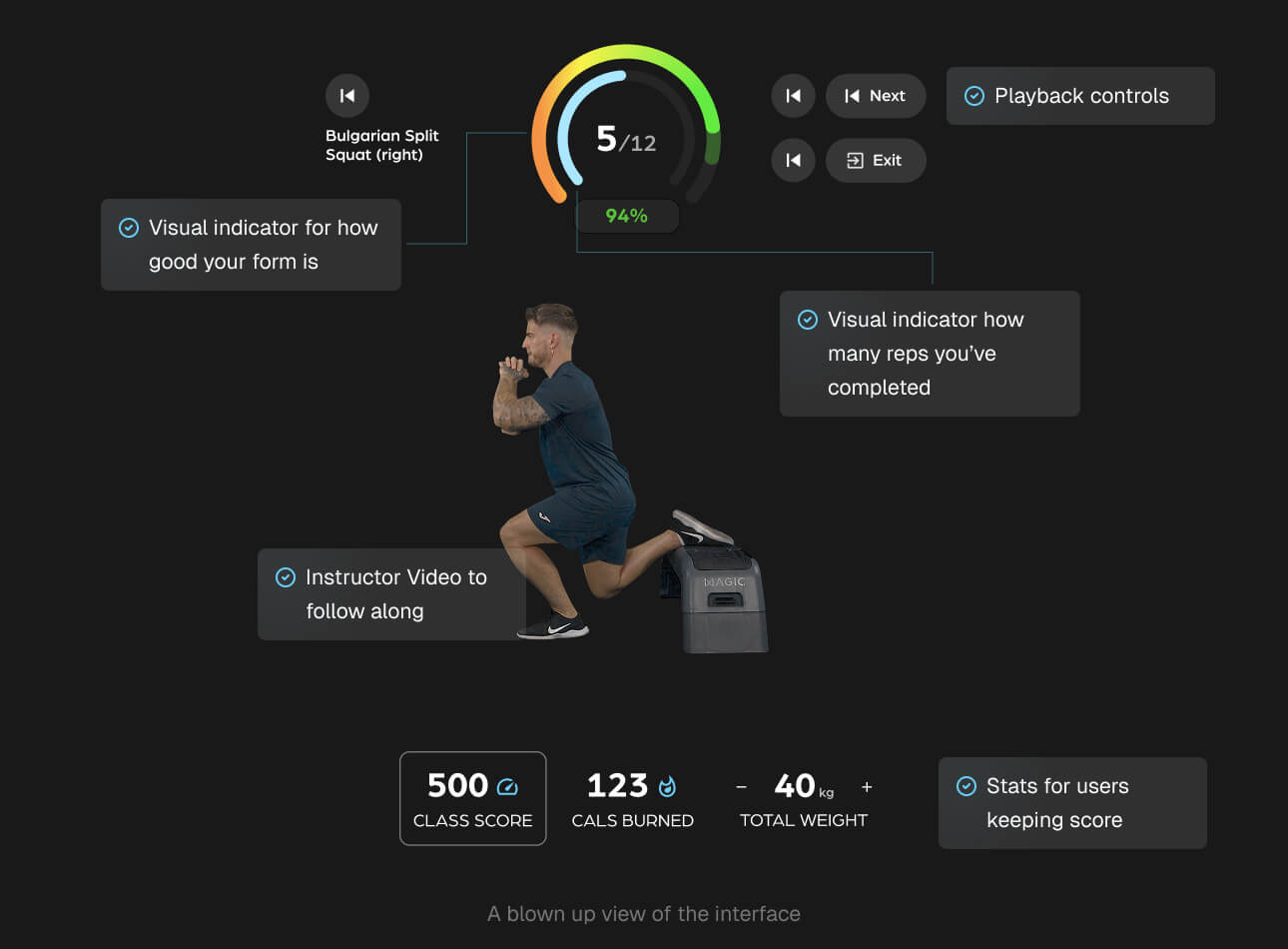
This was the make-or-break moment. During exercises, users could see:
Rep count - so they knew their progress
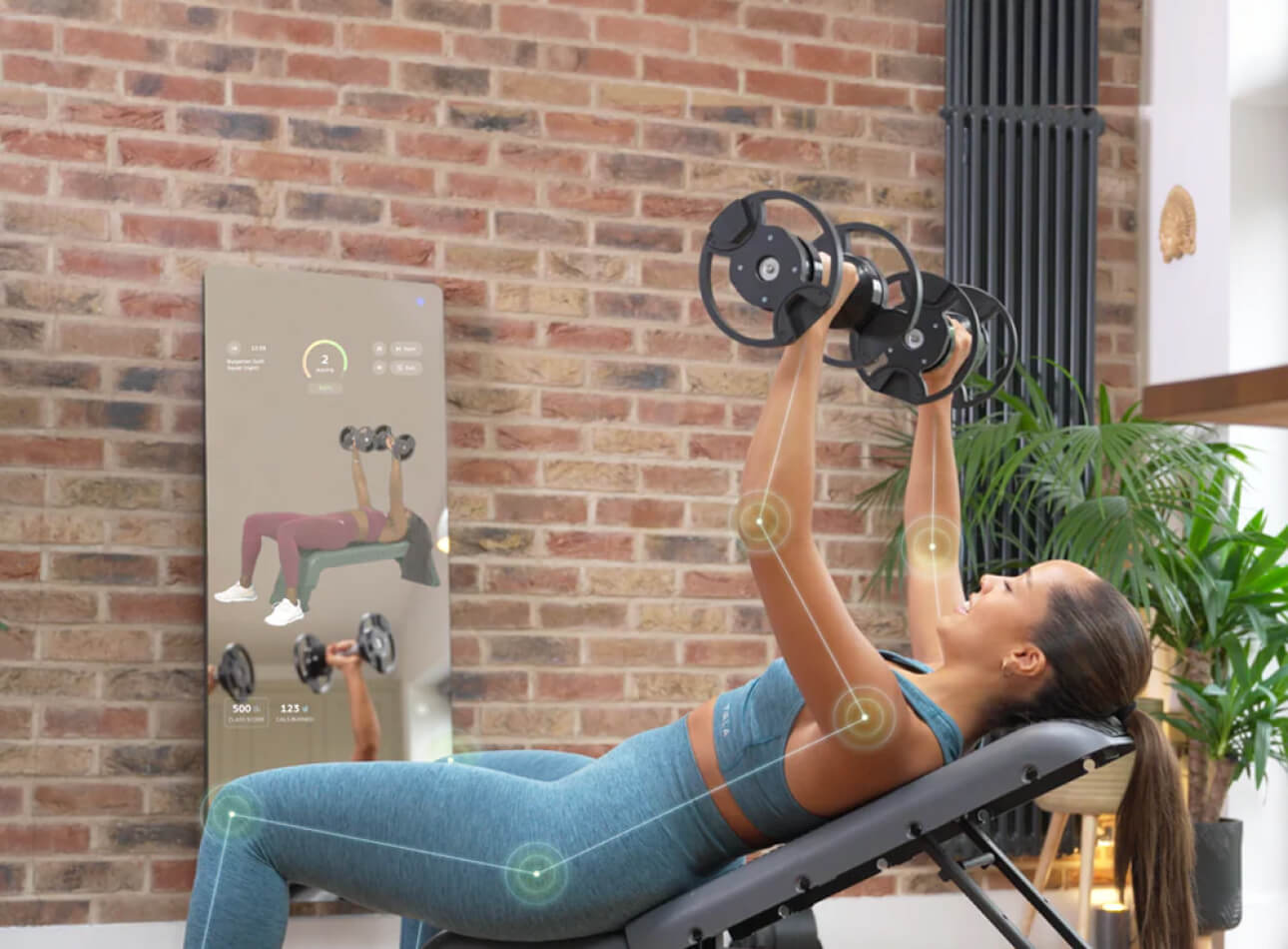
Form quality for each rep - immediate feedback on technique
Visual guidance - subtle indicators for form adjustments
The challenge was delivering this without overwhelming someone mid-exercise. The feedback had to be instant, clear, and actionable.
Recovery Moments Between Sets
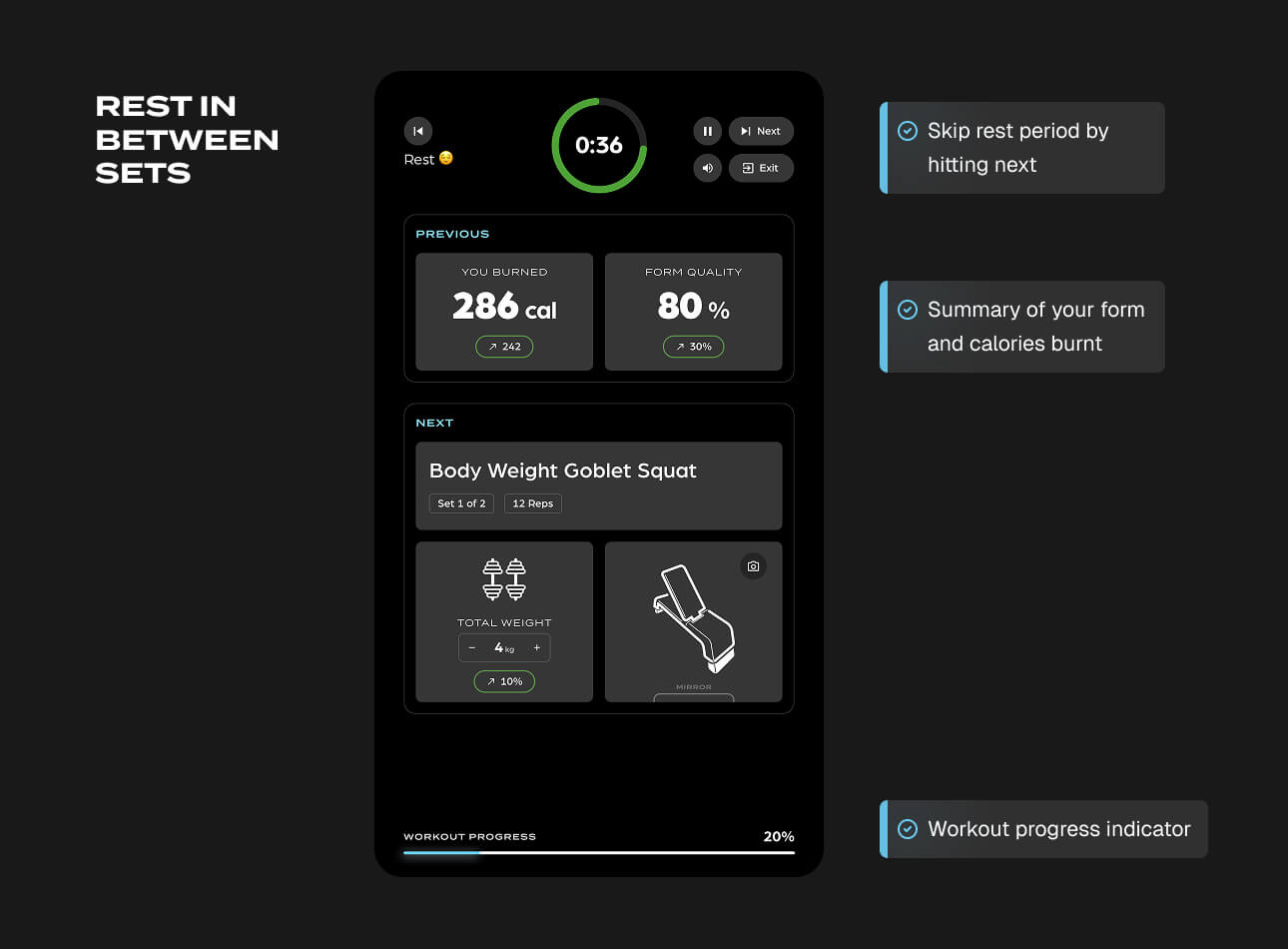
Between exercises, we created breathing room where users could:
See how that set went - clear performance summary
Adjust weights for the next exercise
Prepare equipment needed for what's coming next
These transition moments kept the workout flowing while giving users control over their experience.
The Post-Workout Payoff
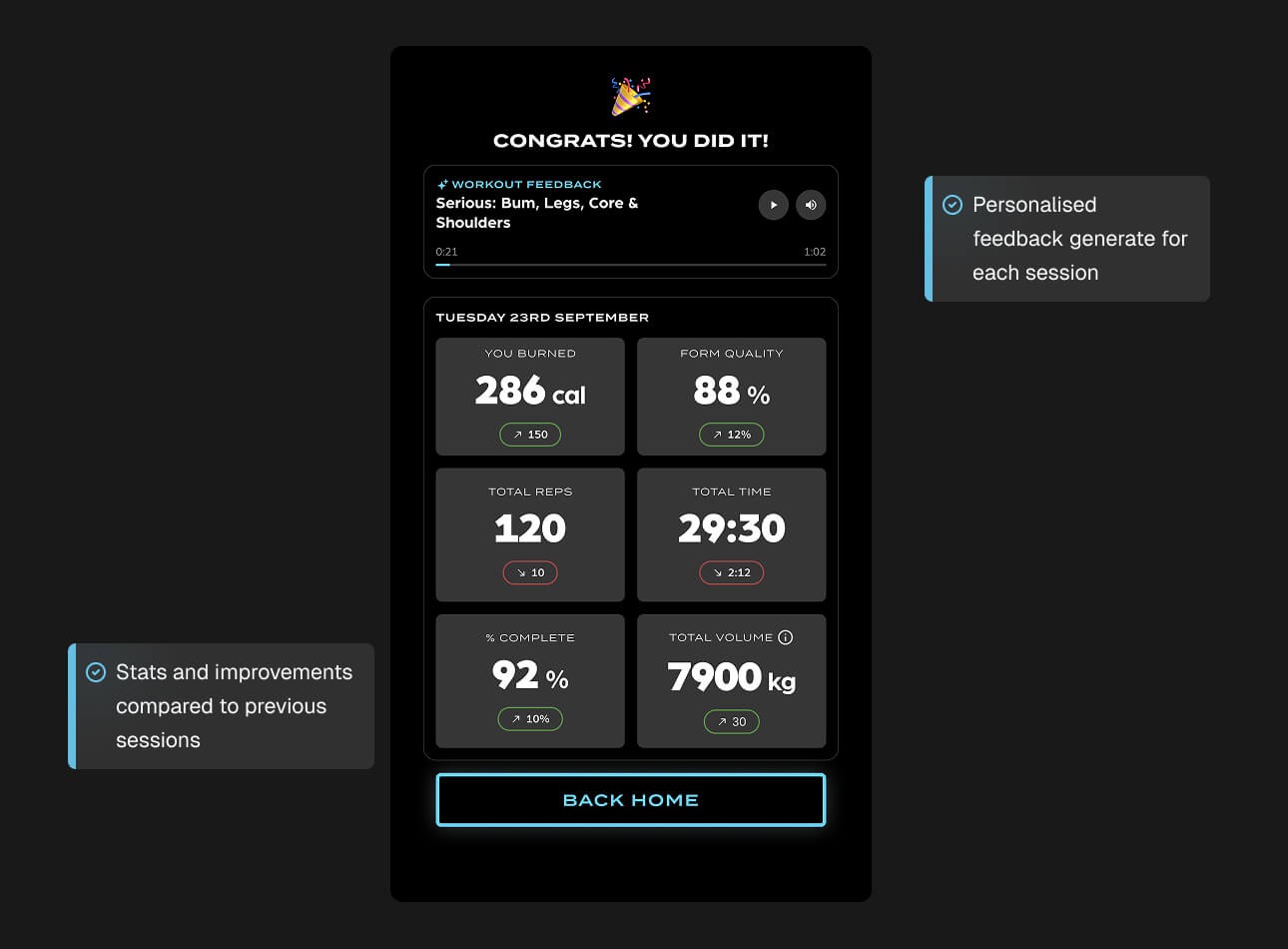
At the end, users got a complete breakdown of their session:
Form analysis across all exercises
Weight progression tracking
Instructor feedback - personalized insights on improvement areas
This wasn't just data-it was the personal trainer experience delivered digitally.
What Made This Work
Timing was everything. The interface had to deliver the right information at exactly the right moment-too early and users got overwhelmed, too late and they'd already made mistakes.
Visual hierarchy became critical when users are breathing hard and focused on movement. Every piece of feedback had to be instantly scannable from exercise distance.
The biggest insight: People don't just want to track their workouts-they want to feel coached. The interface became the bridge between complex AI analysis and that human encouragement that keeps people coming back.
The Result
Users got a workout experience that genuinely felt like having a trainer present. The real-time form correction prevented injuries, while the motivational feedback kept engagement high.
Most importantly: The interface made advanced form tracking technology feel human and encouraging, not robotic and judgmental.
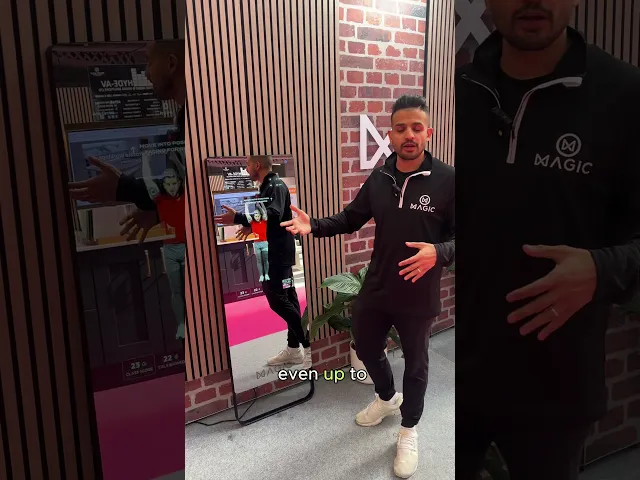
Before you leave, here's a short video of the CEO and co-founder of MAGIC giving you a walk through of the mirror.
Impact
1. Product Foundation & Growth
As sole designer, built the core AI training experience that transformed Magic Mirror from a novel device into a scalable fitness platform.
Designed the full trainer workflow—from pre-workout prep to post-workout analysis—that supported rapid user growth from ~2,000 to 12,000+.
My design work was central to the feature launches that helped secure Magic’s next funding round (structured like a Series A).
2. Revenue & Fundraising Impact
Contributed directly to Magic reaching $1M in monthly revenue by making its AI personal trainer experience usable, motivating, and premium.
Investor conversations cited design quality and product polish as key differentiators, directly supporting a successful follow-on round.
3. Recognition & User Perception
Design impact recognized externally—helped Magic earn a spot on TIME’s Best Inventions of 2024.
User feedback on Trustpilot highlighted the “trainer-like” feel and intuitive guidance, crediting the design with making advanced AI feel natural and human.
4. Unique Design Challenges Solved
Tackled one-of-a-kind problems like designing real-time form feedback for a mirror interface without overwhelming users mid-workout.
Balanced timing, psychology, and hardware constraints (mirror reflections, touch target height) to make AI feedback clear, scannable, and motivating.
Turned complex motion tracking data into human-like coaching, solving the biggest risk to Magic’s USP.
Other case studies
MAGIC AI (Seed Funded)
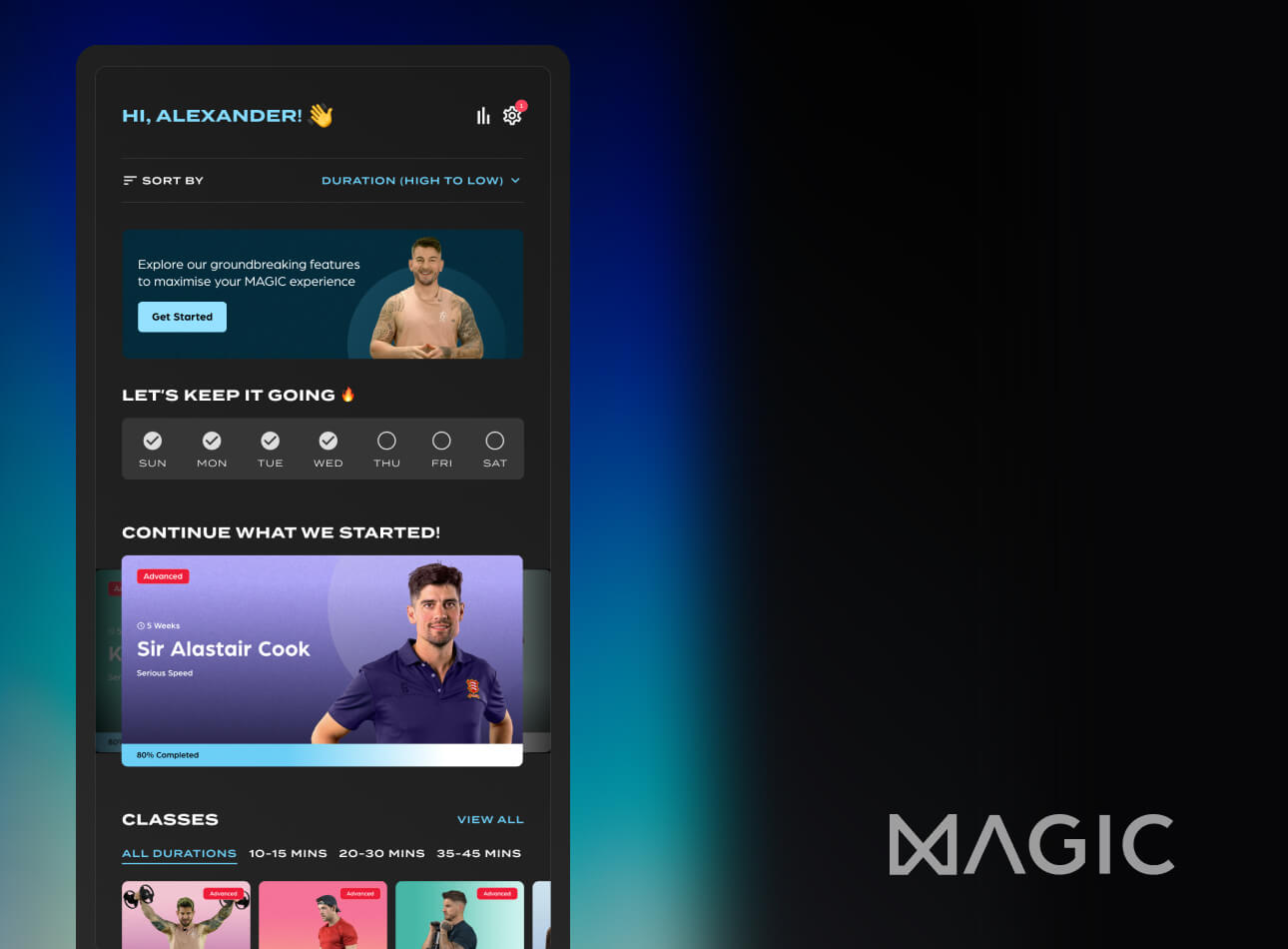
Building Touch-First Navigation for a Premium Fitness Device
MAGIC AI (Seed Funded)
Designing the AI Personal Trainer Experience

Raft AI (Series B)
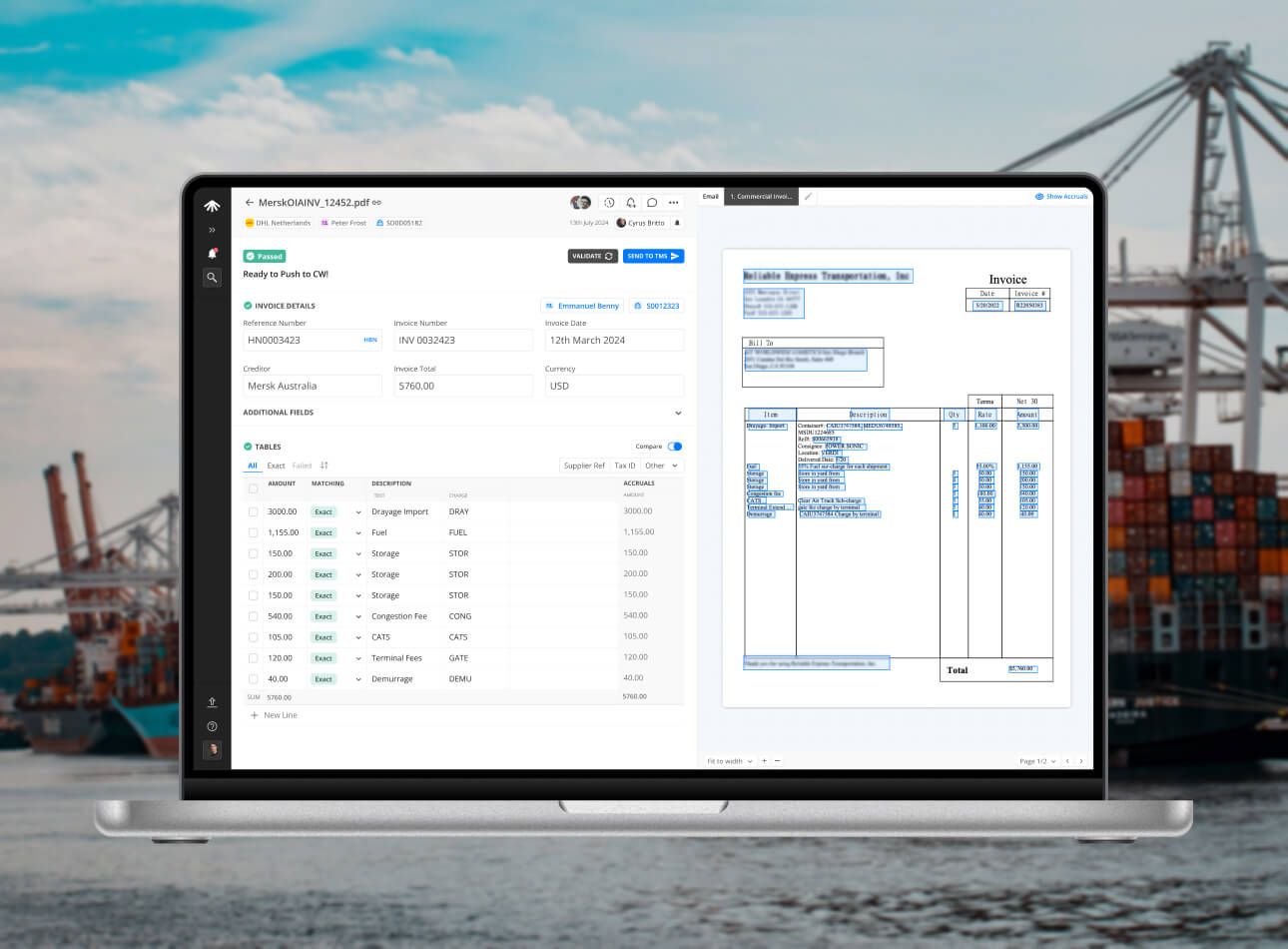
How a UX Redesign Concept Transformed Product Strategy
Raft AI (Series B)
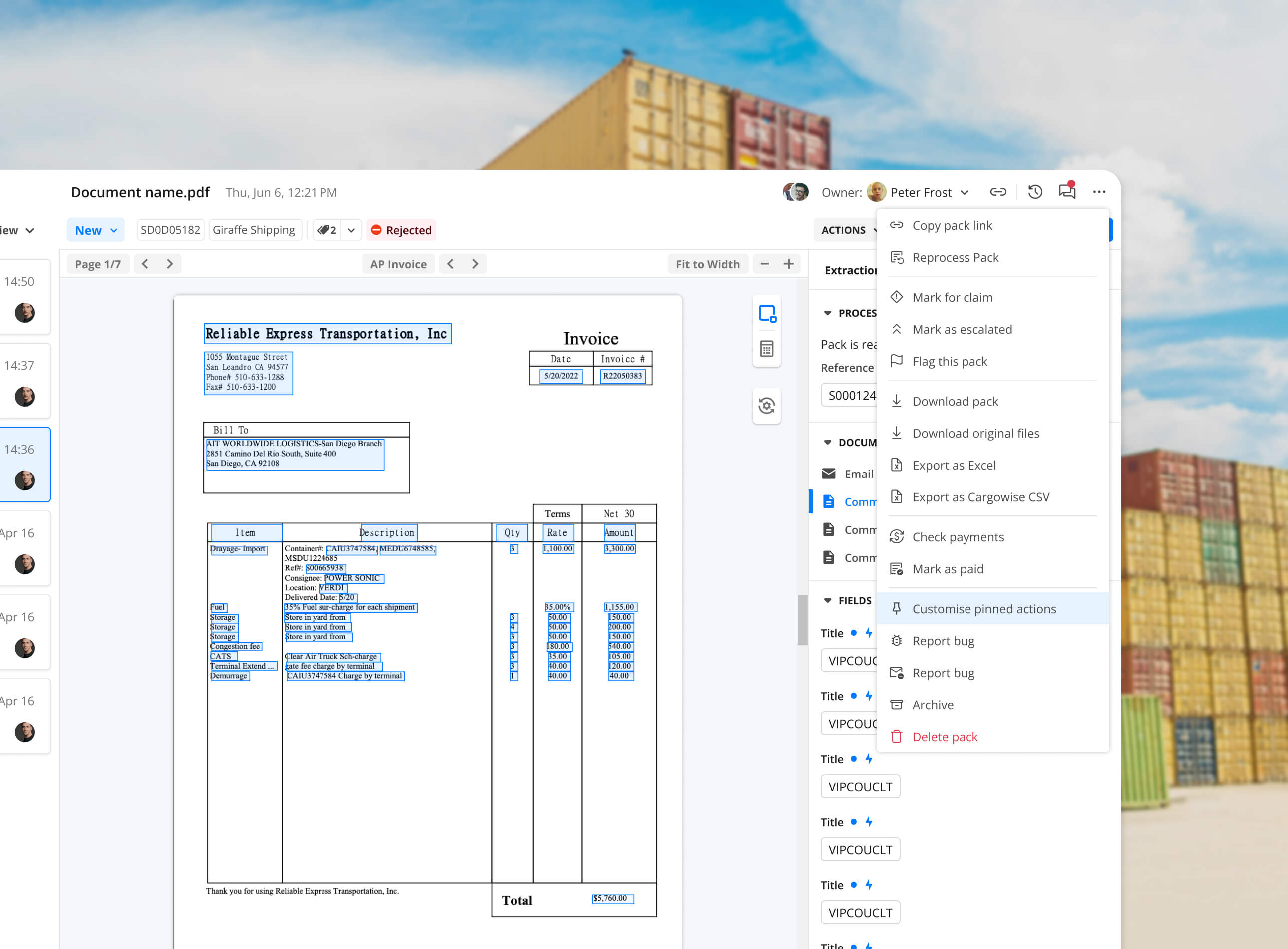
UI Components Simplified: Taming the Pack Header Chaos
Raft AI (Series B)
Redesigning the Extraction Table at Raft: Tackling Exception Workflows

Raft AI (Series B)
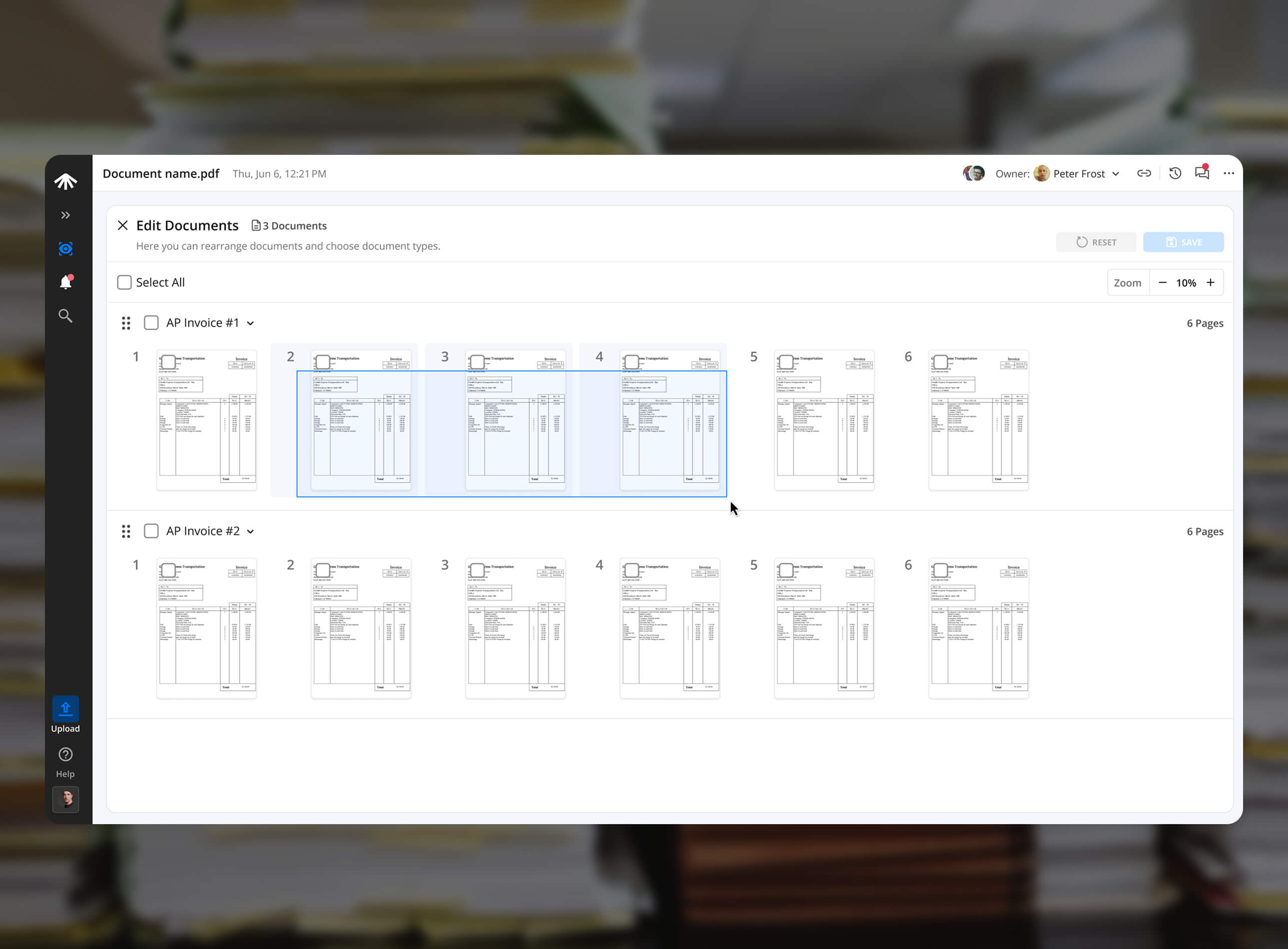
Redesigning Raft's Document Manager

Sats
Sats - Nigeria's P2P Crypto App
Read
0%
0 MIN READ